
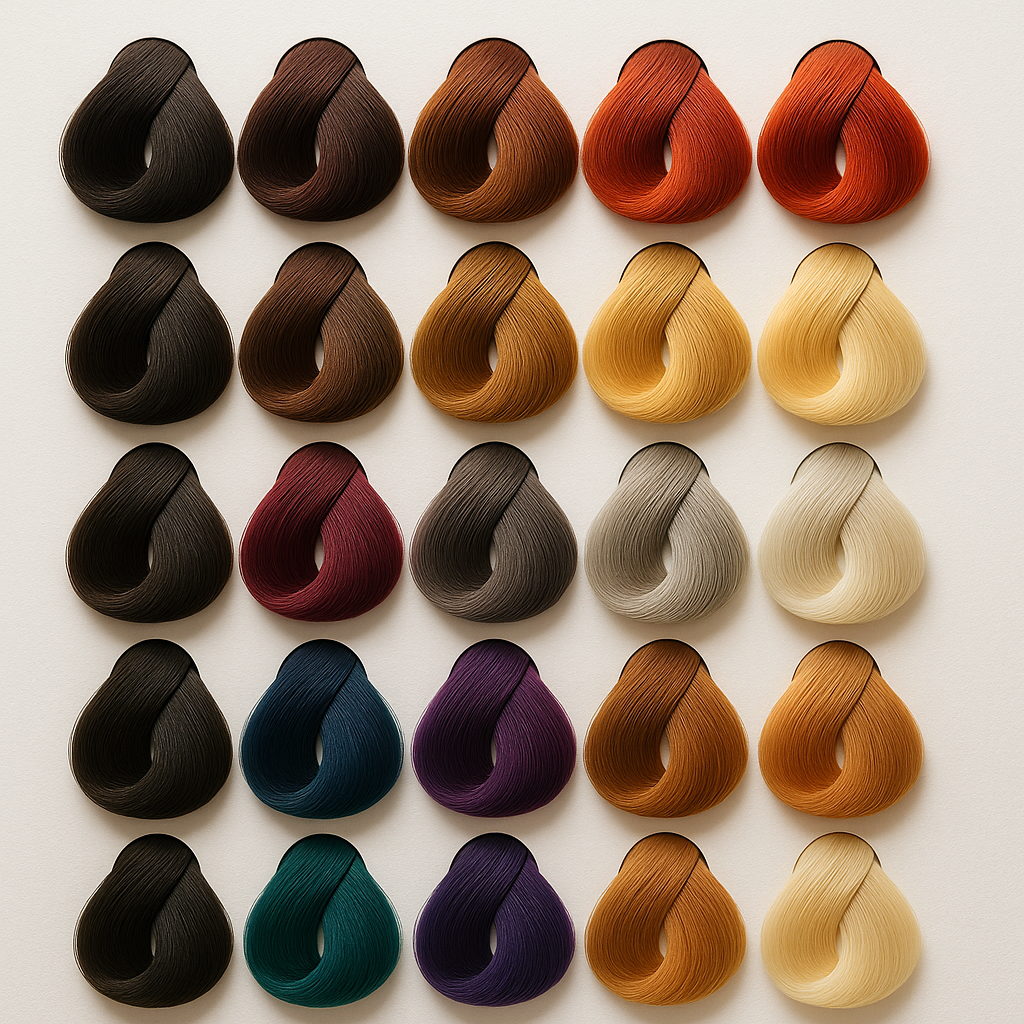
Changing your hair color is more than a simple aesthetic alteration; it's a form of expression, a style statement, and, why not, a fresh start. Whether you desire perfect gray coverage, a vibrant shade that turns heads, or simply a refreshed look, correct dye application is essential. Have you ever wondered what the secret to a color that lasts, shines, and doesn't damage your hair is? You're in the right place!
Choosing the right hair dye: With or without ammonia?
The first and perhaps most important step is choosing the correct product. The market abounds with options, but the main decision often comes down to: ammonia-based or ammonia-free hair dye? Let's analyze them in turn.
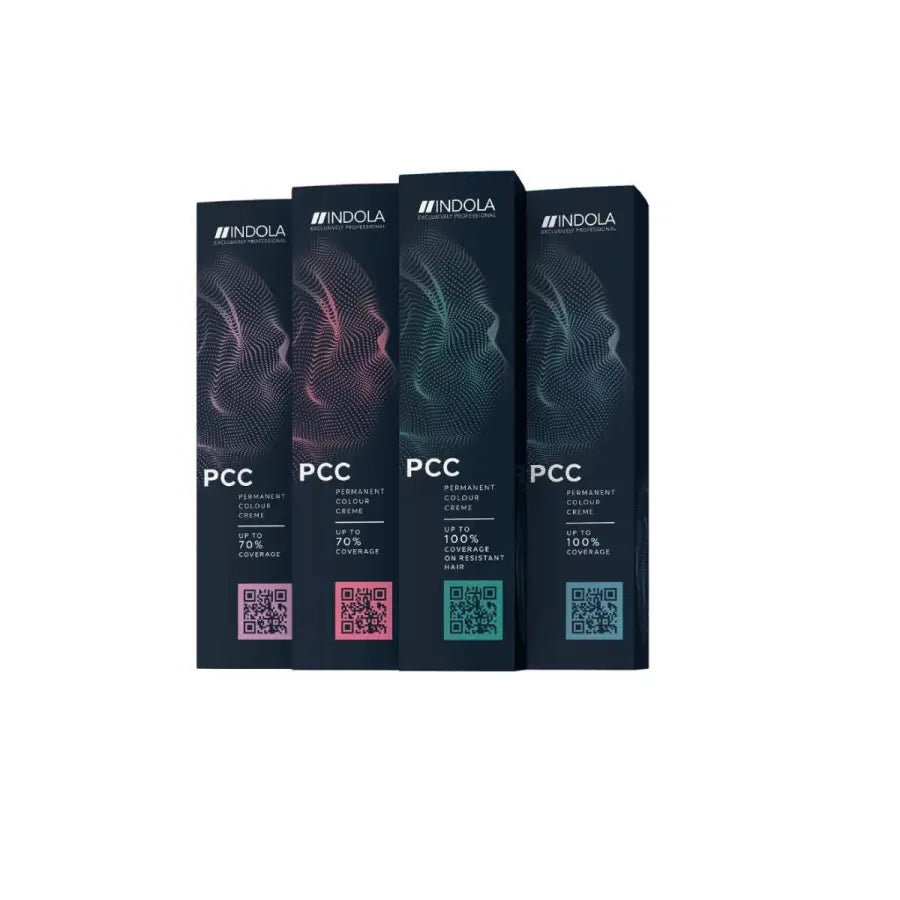
- Ammonia-based hair dye: This is the classic choice for a lasting change and excellent gray coverage. Ammonia opens the hair cuticle, allowing the color to penetrate deeply. Products like Indola PCC Ammonia Hair Dye or L'Oreal Professionnel Majirel are renowned for professional results, intense colors, and long-lasting resistance.
- Ammonia-free hair dye (demi-permanent): Ideal for individuals with sensitive scalps, for those who want new reflections without a radical change, or to intensify natural color. Although gray coverage may be lower, modern technologies, such as those in Yellow Pure Toners, offer incredible shine and protect the hair fiber.
Preparing your hair for coloring: Essential steps
Successful coloring starts long before you open the dye tube. Proper preparation ensures even application and protects your hair and skin.
- Allergy test: Apply a small amount of the dye mixture to the skin behind your ear 48 hours beforehand. Even if you've used the product before, allergies can develop over time. Safety first!
- Hair condition is ideal: Do not dye freshly washed hair. Natural sebum on the scalp acts as a protective barrier against irritation. Ideally, hair should be washed 24-48 hours prior.
- Protect your skin: Apply a rich cream or petroleum jelly to the hairline, ears, and nape of the neck to prevent skin staining.
- Detangle hair completely: Ensure your hair is perfectly detangled to facilitate even application. Sectioning your hair into 4-6 parts will greatly help the process.
Correct application guide: Professional technique at home
Have you prepared everything? Perfect! Now it's time to apply the dye. Always follow the instructions on the packaging, especially the mixing ratio of dye to developer.

- Root application: If you're coloring grown-out roots, start applying only in that area. Natural, uncolored hair takes color less easily.
- Length application: To refresh color on lengths and ends, apply the dye during the last 5-15 minutes of the total processing time. This prevents over-pigmentation and damage to the ends.
- Processing time: Strictly adhere to the time indicated in the instructions. Do not leave the dye on longer, thinking you'll get a more intense color; you risk only damaging your hair.
- Emulsification and rinsing: At the end of the processing time, add a little lukewarm water and massage the hair to emulsify the dye. This step helps remove stains from the skin more easily and provides extra shine. Rinse thoroughly until the water runs clear.
A golden tip we always offer our clients is not to underestimate the power of the developer. Choosing the correct concentration (6%, 9% etc.) is as important as the shade of the dye. An unsuitable developer can completely compromise the final result.
Specialist tips for a dream color
The difference between a good result and an exceptional one often lies in the small details. Here are some secrets from behind the scenes of beauty salons:
- Add a touch of oil: For extra protection, you can add a few drops of argan or coconut oil directly to the dye mixture.
- Use heat in moderation: After application, you can cover your hair with a shower cap. Body heat will help open the cuticle better, but avoid intense external heat sources.
- Don't forget the post-coloring treatment: The mask or conditioner included in the dye package is not optional! It has an acidic pH that helps close the cuticle, sealing the color inside the hair strand and providing enviable shine.
Product comparison: Choose the champion for your hair!
We've selected some of the most acclaimed professional hair dyes for you. Make an informed choice, according to your specific needs.
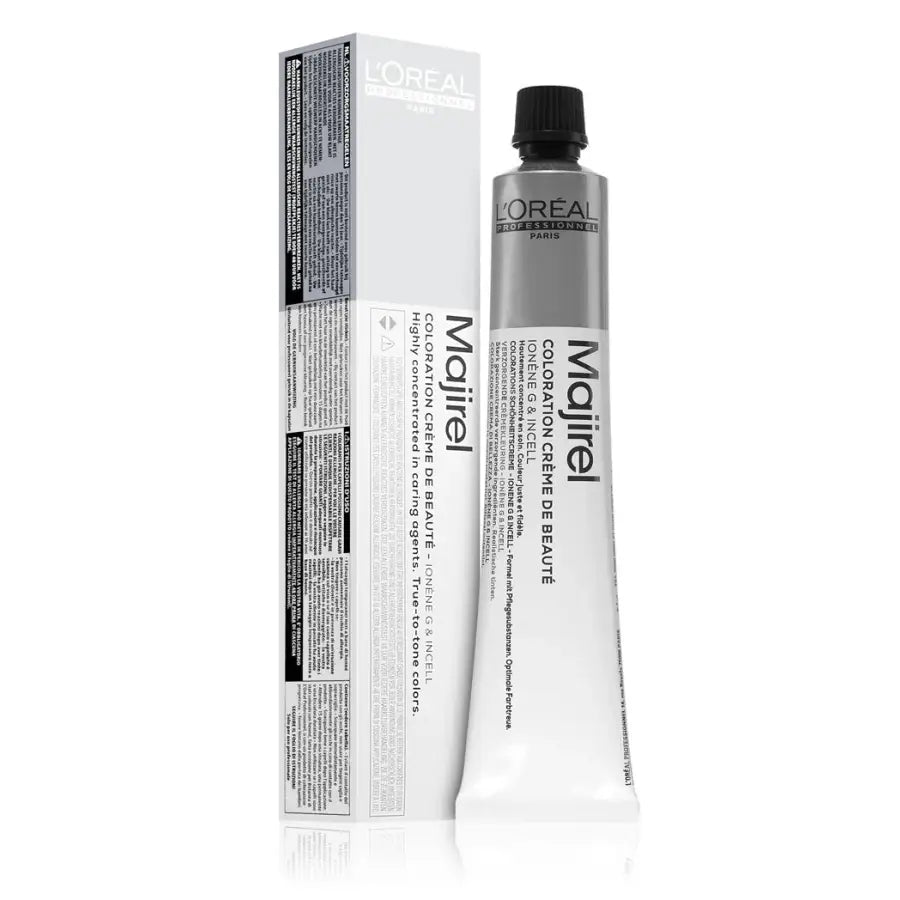
L'Oreal Professionnel Majirel 50ml
| 🏆 Why buy: | The gold standard in professional coloring, offering up to 100% gray coverage and a rich, deep, long-lasting color. |
| 🎯 Ideal for: | Anyone who wants a flawless result, classic and elegant colors, and perfect coverage. |
|
🌿 Key ingredient: |
Ionène G™ + Incell™ technology that treats and protects the hair fiber at 3 levels. |
| 🎨 Type: | Permanent ammonia-based hair dye. |
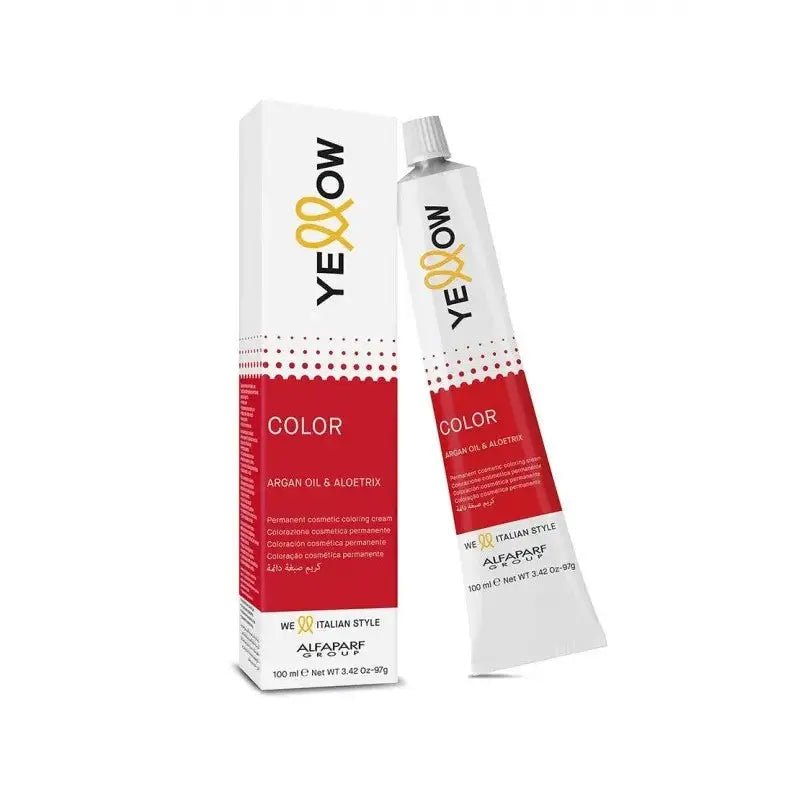
Yellow Color – Professional Permanent Hair Dye 100ml
| ✨ Why buy: | Excellent value for money, an extremely vibrant color palette, and a formula enriched with Aloetrix and Argan Oil. |
| 🎯 Ideal for: | Those who experiment with intense shades and want a dye that also cares for their hair. |
| 💧 Key ingredient: | Argan Oil for hydration and shine. |
| 🎨 Type: | Permanent hair dye with ammonia. |
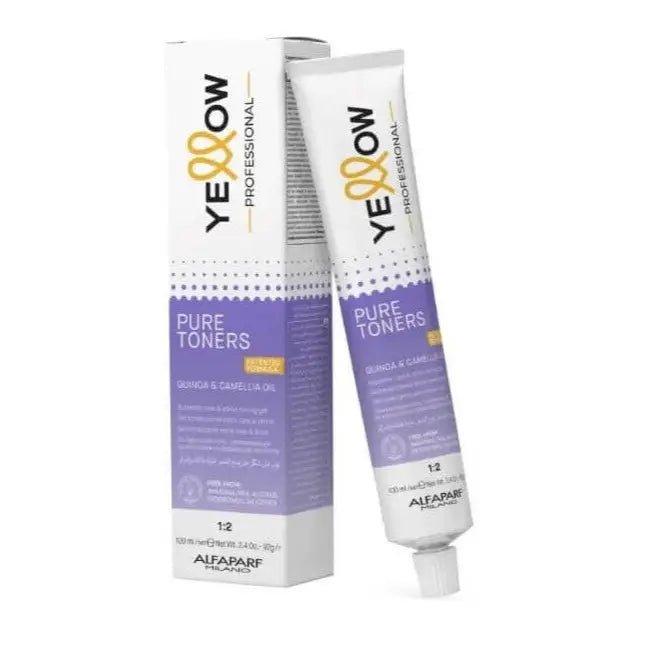
Yellow Pure Toners – Ammonia-Free Dye 100ml
| 💖 Why buy: | Perfect for neutralizing unwanted reflections or adding delicate nuances to bleached hair, without damaging the hair strand. |
| 🎯 Ideal for: | Blonde, highlighted, or bleached hair; for toning or color correction. |
| 💎 Key ingredient: | Gentle formula that respects hair structure. |
| 🎨 Type: | Demi-permanent dye (toner) without ammonia. |
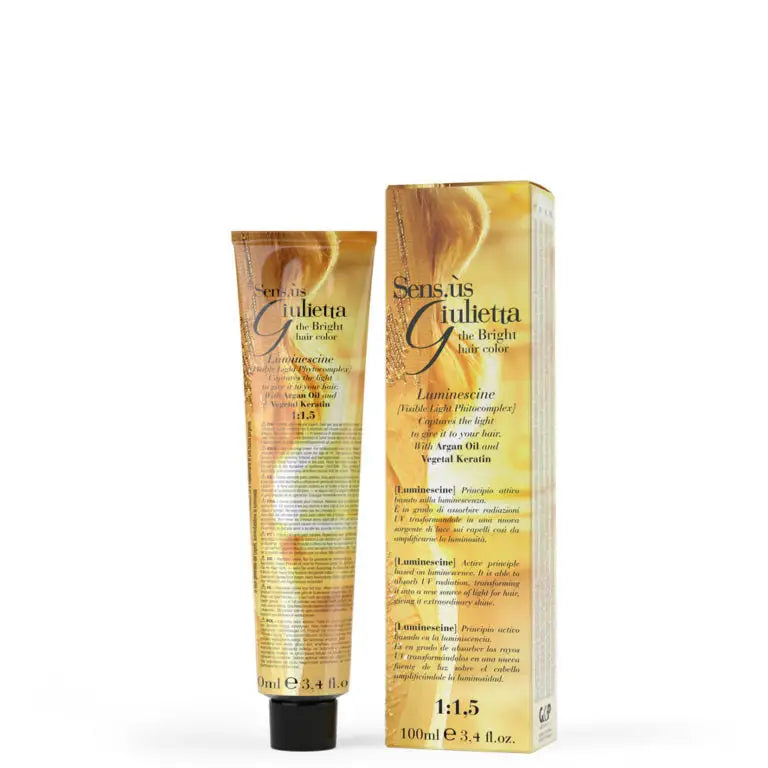
Sensus Giulietta – Permanent Ammonia Hair Dye Lifting 100ml
| 🚀 Why buy: | Offers high lightening power and intense colors, making it an excellent choice for bold transformations. |
| 🎯 Ideal for: | Achieving very light blondes or vibrant colors on darker bases. |
| 🛡️ Key ingredient: | Contains protective agents that maintain hair integrity during the coloring process. |
| 🎨 Type: | Permanent hair dye with ammonia, with lifting power. |
Color maintenance: How to keep the shine longer
You've achieved the perfect color! Now, the challenge is to keep it as vibrant as on the first day. The secret lies in your care routine.
- Use dedicated products: Invest in a shampoo and conditioner for colored hair. These have special formulas that prevent color fading. A quick solution between colorings can also be dry shampoos, which help you reduce washes.
- Avoid hot water: Wash your hair with lukewarm or even cold water. Hot water opens the cuticle and leads to rapid loss of color pigments.
- Thermal protection: Before using a hair straightener or curling iron, always apply a thermal protection spray. Excessive heat is one of the main enemies of color.
- Hydration, hydration, hydration: Colored hair needs extra hydration. Use a nourishing mask once a week to keep hair healthy and shiny.
Many focus exclusively on the coloring process and completely neglect post-coloring care. It's like buying a silk dress and washing it at 90 degrees. A correct care routine can double the lifespan of your color.
Conclusions and final recommendations
Hair coloring can be a deeply satisfying experience that can boost your self-confidence. The key to success lies in information, preparation, and using the right products. Don't be afraid to experiment, but always do it informed and giving your hair the care it deserves. From professional dyes to styling products like Wella hairspray, on ProBeauty.ro you'll find all the allies you need for dream hair.
Frequently Asked Questions (FAQ)
Can I lighten my hair with dye if it's already dyed dark?
The basic rule in colorimetry is that "dye doesn't lighten dye". If your hair is dyed a dark shade and you want something lighter, a bleaching process will be necessary before applying the new color. We recommend consulting a specialist for this step.
How often should I dye my roots?
Generally, hair grows about 1-1.5 cm per month. Most people retouch their roots every 4-6 weeks to maintain a uniform and neat appearance.
Does ammonia-free dye cover gray hairs?
Demi-permanent ammonia-free dyes can cover up to 50-70% of gray hairs, providing more of a "camouflage" or blending effect with the rest of the hair. For 100% coverage, permanent ammonia dye is the safest choice.
What do I do if I don't like the color I got?
If the result is slightly different from expectations, wait a few washes, as the color may fade. For major differences, it's best to consult a hairstylist. They can perform a color correction safely for your hair.
Can I mix different shades of dye?
Yes, but it is recommended to mix only shades from the same range and from the same brand to ensure chemical compatibility. This is an advanced technique, so if you're not sure, it's best to stick to one shade.
Do I need special equipment to dye my hair at home?
You don't need top equipment like at a salon, but a non-metallic bowl, a dyeing brush, and a pair of gloves are essential for clean and precise application.
Can I use hair dye if I'm pregnant?
Most studies indicate a very low risk, but it's always best to consult your doctor first. Many women opt for ammonia-free dyes or techniques like highlights, where the dye doesn't touch the scalp.
Why does red hair fade so quickly?
The red pigment molecule is larger than other colors and does not penetrate as deeply into the hair shaft. Therefore, it fades faster with washing. Using special products for red hair can prolong color intensity.
What is a toner and when is it used?
A toner, like Yellow Pure Toners, is a demi-permanent dye usually used on pre-bleached hair to neutralize unwanted tones (e.g., yellow or orange) and achieve the desired final blonde shade (ash, pearl, beige).
How do I choose the correct developer?
The choice depends on the result: 3% (10 vol) for tone-on-tone coloring or darker. 6% (20 vol) for covering gray hairs and lightening by 1-2 tones. 9% (30 vol) for lightening by 2-3 tones. 12% (40 vol) for lightening by over 3 tones, recommended for professional use. You can find a wide range of developers here.


